

Who is responsible for influencer advertising in Malaysia?
Responsibility extends beyond the creator. Under Content Code Part 3, paragraph 1.3, advertisers and online marketplace operators carry primary responsibility. Influencers, agencies and other advertising participants also have obligations. Each campaign needs clear ownership of claims, disclosure, audience suitability and corrections.
Status checked 5 November 2026: Content Forum listed proposed guidelines, with consultation closed on 24 October 2026. This article examines the consultation draft. The campaign checklists below are my practical recommendations.
When a sponsored post goes wrong, the creator is usually the first person blamed. That is understandable. They are the person on screen, their name is attached to the content, and their audience trusted them enough to listen.
But the final post is only the most visible part of a much longer commercial process. The claim may have come from a client. The wording may have been written into an agency brief. The content may have passed through several rounds of approval before it reached the public.
That is why Malaysia’s proposed Influencer Guidelines 2026 are directionally right to treat responsible influencer marketing as a shared obligation rather than a problem that begins and ends with the creator.
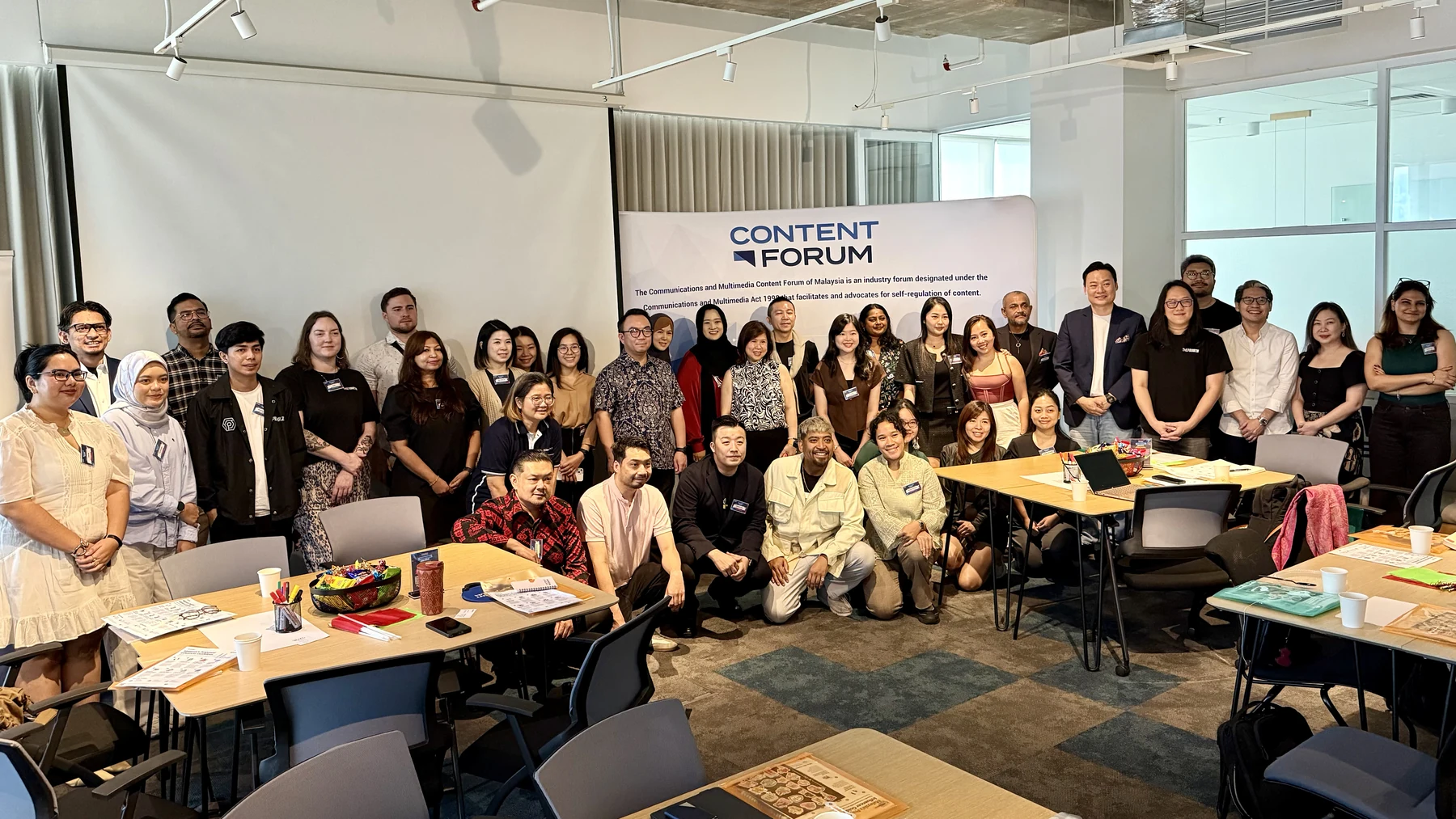
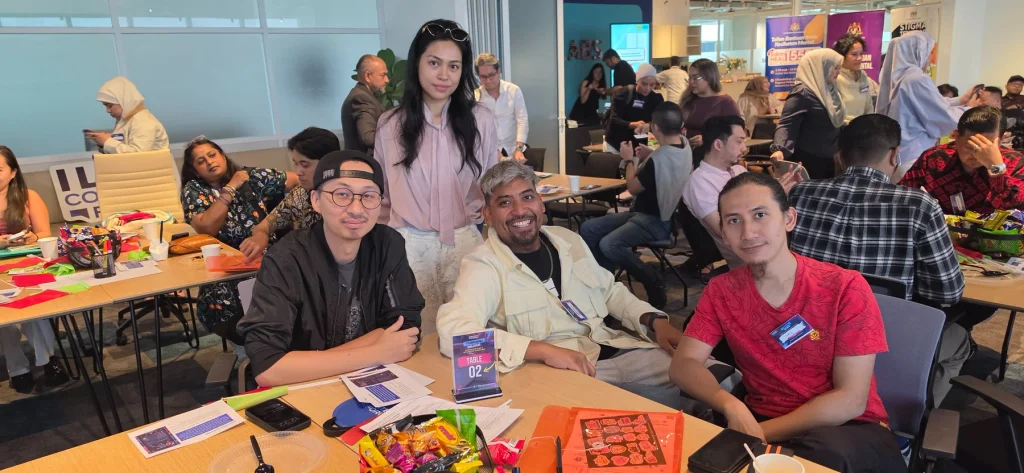
At a town hall in Kuala Lumpur on 22 October 2026, the Communications and Multimedia Content Forum of Malaysia (CMCF) brought creators, brands, agencies and other industry stakeholders together to discuss the proposals. The most important principle raised during that conversation was simple: accountability should follow the entire content chain.
Responsibility does not begin and end with the person appearing on screen.
That principle is more than a defence of creators. Properly applied, it is a better way to protect audiences, responsible businesses and the long-term credibility of the creator economy.
A useful correction to the creator economy
The public conversation around influencer responsibility often starts too late. We see a misleading claim, an undisclosed sponsorship or an inappropriate promotion and ask why the influencer posted it.
That is a necessary question, but it is not the only one.
We should also ask who supplied the claim, who requested the wording, who approved the content, what evidence was provided and whether anyone in the campaign had both the authority and the incentive to stop it.
Malaysia’s existing Content Code, in Part 3, paragraphs 1.3 and 3.1, already states that advertisements should be legal, decent, honest and truthful. It also places primary responsibility on advertisers and online marketplace operators while recognising obligations for influencers, agencies, publishers and other parties involved in producing or distributing advertising.
The proposed guidelines make that principle more practical for the way modern creator campaigns actually work. They cover cash payments, gifted products, affiliate links, referral rewards, trips, hospitality, creator-owned businesses and other relationships that may affect how an audience interprets a recommendation. They also address AI-generated content, virtual influencers, kidfluencers, livestream selling, fake engagement and news-like content.
This matters because influencer marketing is no longer a side activity managed through informal direct messages. It is a commercial industry. Once money, products, commissions, approval rights and performance targets enter the relationship, responsibility should become clearer, not more convenient to pass around.
The brief is where risk often begins
The strongest part of the proposed approach is its recognition that risk can be created before a camera is switched on.
Imagine a brand instructing a creator to say that a product is “clinically proven” to deliver a specific result. The creator repeats the line and the agency approves the post. It would be too simple to place all responsibility on the creator because they said the words. The brand supplied the claim, the agency helped operationalise it, and the creator communicated it to an audience.
Each party controlled a different part of the outcome.
This does not excuse the creator. A creator cannot treat a brief as a shield and say, “I was only following instructions.” The trust being used belongs to the creator-audience relationship. If a claim sounds doubtful, the creator should ask for evidence. If the content is unsuitable for the audience, the creator should raise the concern. If the brief asks for a dishonest personal experience, the creator should refuse.
But asking creators to exercise judgment only works if the system around them allows that judgment to be used. A creator should not be punished commercially for asking whether a claim is substantiated or insisting that a sponsorship be disclosed properly.
Good standards therefore need to protect the right to push back, not merely describe the duty to comply.
Shared responsibility cannot mean diluted responsibility
There is one risk in any shared-accountability model: when everyone is responsible, everyone may assume somebody else checked.
The creator thinks the agency verified the claim. The agency assumes the brand’s legal team approved it. The brand believes the creator will adapt the wording responsibly. The platform provides a disclosure tool but does not ensure that people use it clearly.
The result is accountability without ownership.
The better principle is separate responsibility for the part each party controls.
Swipe horizontally to compare campaign responsibilities.
| Party | What to check | Useful record to keep |
|---|---|---|
| Brand | Substantiate product claims, identify restrictions and define a suitable audience. | Evidence for claims, limitations and an approved brief. |
| Agency or talent manager | Turn campaign expectations into clear instructions, approval checks and an escalation route. | Versioned briefs, feedback and named approvals. |
| Creator | Disclose the relationship, describe genuine experience and question unsupported claims. | Campaign instructions, evidence supplied and final published content. |
| Platform | Provide usable disclosure tools and respond to credible reports of misleading advertising. | Available labels, reporting routes and action taken. |
This table is my recommended workflow, informed by Content Code Part 3 and Part 16 of the proposed Influencer Guidelines. It is not a new test of legal liability.
This is consistent with the direction taken elsewhere. The US Federal Trade Commission expects advertisers to guide, monitor and correct the influencers working on their behalf. UK guidance for brands similarly makes clear that businesses cannot outsource an endorsement and then outsource responsibility for identifying it as advertising.
Malaysia does not need to copy another market mechanically. However, the underlying lesson is sound: accountability should follow both influence and control.
What should change in practice
The success of the guidelines will not be measured by how many people can repeat the phrase “responsible content.” It will be measured by whether ordinary campaign workflows change.
My recommendation is to build five checks into a responsible creator campaign. These are practical safeguards, rather than a claim that the draft requires a particular contract or workflow.
1. A claims pack, not just talking points
If a brief includes factual, technical, health, performance or environmental claims, the brand should provide the evidence supporting them. A creator should not be expected to reverse-engineer substantiation from a slogan.
2. Disclosure decided before production
The disclosure format should be agreed at the briefing stage: the wording, language, placement and whether it needs to be visual, spoken or repeated during a livestream. “Put #ad somewhere in the caption” is not a disclosure strategy.
3. An audience-suitability check
Brands and agencies should assess who is likely to see the content, not only who they hope to target. This is especially important for children, age-restricted products and sensitive sectors such as health, finance, gambling, cosmetic procedures and weight management.
4. A documented right to challenge or refuse
Creators should be able to reject unsupported claims, request revisions or decline content that is unsuitable for their audience without being treated as uncooperative. This protection should appear in the agreement, not depend on goodwill after a dispute begins.
5. A correction plan
Campaign agreements should explain who acts when a problem appears, how quickly the content will be corrected, whether a clarification is required and what must change in the approval process. Removing one post is not enough if the same faulty brief remains in circulation.
These steps create some administrative work. That is not necessarily a flaw. The objective should be proportionate discipline, not bureaucracy for its own sake. A small creator receiving a gifted keyboard should not need the same process as a national health or investment campaign. The level of documentation should match the level of risk.
Why this also protects responsible creators
Clearer standards are often described as restrictions on creators. I see the more useful possibility: they can become negotiating tools.
Many creators, especially those early in their careers, operate with limited legal knowledge and little bargaining power. A campaign may arrive with a tight deadline, a pre-written claim and an approval process that allows the client to demand changes without accepting responsibility for them.
In that environment, “just be responsible” is incomplete advice.
A creator needs something practical to point to when saying:
- I need to disclose this relationship clearly.
- I cannot present that claim as my personal experience.
- I need evidence before repeating that number.
- This promotion is not appropriate for my audience.
- I will correct the post, but the brief and approval process must also be reviewed.
The best form of self-regulation is not a document that sits on a website. It is a standard that changes the balance of a real conversation.
Gaming and esports make the issue even more urgent
The line between content, community and commerce is especially thin in gaming.
A streamer can be an entertainer, competitor, affiliate, product reviewer and seller within the same broadcast. A sponsored challenge may look like ordinary gameplay. A referral code may appear beside a personal recommendation. Livestream audiences can include children and adults at the same time, while in-game spending and randomised rewards add another layer of commercial pressure.
These concerns sit within a wider conversation about how social media restrictions for users under 16 could affect esports and why gaming communities need safe emotional spaces. Influencer responsibility is therefore not only an advertising issue; it is also part of how the industry protects younger audiences.
That is why the influencer proposals and CMCF’s separate proposed Gaming Sub-Code should be understood together, even though they address different parts of the ecosystem.
For esports organisations and gaming brands, the practical lesson is straightforward. Do not treat a creator’s authenticity as permission to hide the commercial relationship. Do not put a technical, performance or safety claim into a brief unless it can be supported. Do not assume that a creator’s young audience will recognise advertising simply because adults in the industry understand how sponsorship works.
Trust is not created by making advertising invisible. It is created when the audience can see the relationship and still believe the opinion is honest.
Where the guidelines still need to prove themselves
The proposed framework is strong in scope, but implementation will determine whether it becomes useful or merely admirable.
Creators and small businesses will need short disclosure guides, examples of compliant and non-compliant posts, sample agreement clauses and practical guidance for livestreams, affiliate content and multilingual audiences. Brands and agencies will need clear expectations for substantiation, monitoring and record-keeping. Platforms will need disclosure tools that remain visible when content is shared across formats and devices.
Enforcement should also be proportionate and focused on behaviour. An honest formatting mistake that is corrected quickly should not be treated in the same way as a repeated campaign built on fabricated claims, hidden sponsorships or fake engagement.
Sensitive sectors require an even higher standard. The Securities Commission Malaysia’s guidance on investment advice (paragraphs 2.2, 3.7 and 3.9), for example, already warns that a paid or affiliate-linked recommendation may cross from general education into regulated investment advice. A disclaimer saying “not financial advice” does not automatically remove that responsibility.
Self-regulation works only when responsible behaviour is easier to identify, irresponsible behaviour has consequences and the industry learns from its mistakes.
The real test comes before publishing
The proposed guidelines make an important shift. They move the question from “Who posted this?” to “Who influenced, controlled and approved the decisions that produced it?”
Creators still carry serious responsibility. Their face, voice and relationship with the audience are part of what a brand is buying. But brands and agencies cannot purchase that trust while distancing themselves from the claims, pressure and processes behind the content.
If Malaysia wants a creator economy that is both commercially credible and publicly trusted, responsibility must start before the post goes live.
It must start with the brief.
Malaysia influencer guidelines: FAQs
Who is responsible for a sponsored influencer post in Malaysia?
Content Code Part 3, paragraph 1.3 places primary responsibility on advertisers and online marketplace operators. Influencers, agencies and other advertising participants also have obligations. Shared responsibility does not mean that every party automatically has identical legal liability.
Are the Influencer Guidelines 2026 final?
The Content Forum page checked on 5 November 2026 listed proposed guidelines and a closed consultation. Closing a consultation does not itself establish final adoption. This article discusses the consultation draft; check the official page for subsequent updates.
Do gifts and affiliate links raise disclosure concerns?
Yes. The proposed guidelines address commercial benefits beyond cash, including affiliate commissions. Where a gift or commission is connected to promotional content, make that relationship clear. The absence of a cash payment alone does not settle the disclosure question.
Does an approved brand brief remove a creator’s responsibility?
No. Approval does not make an unsupported claim reliable or a dishonest personal endorsement acceptable. The Content Code’s advertising standards still matter. Creators should question doubtful claims, while brands and agencies remain accountable for their own campaign decisions.
What should a responsible influencer campaign brief contain?
My recommended checklist is evidence for claims, a disclosure plan, audience suitability, named approvals, a route to challenge instructions and a correction owner. This is a practical workflow recommendation. Draft paragraph 16.4 describes written agreements as good practice, not a requirement under the Code or draft.
About the author and sources
- Content Forum consultation index: proposal status and consultation dates, checked 5 November 2026.
- Malaysian Communications and Multimedia Content Code: Part 3, paragraphs 1.3, 3.1 and 4.8, on responsibility, truthful advertising and substantiation.
- Influencer Guidelines 2026 consultation paper: Parts 4 and 16, including disclosure, shared accountability, records, corrections and written agreements.
- Securities Commission guidance on investment advice: revised 18 July 2024, paragraphs 2.2, 3.7 and 3.9, on regulated advice, commercial benefits and affiliate activity.
This article analyses Content Forum’s 2026 consultation draft and offers practical commentary. Check the latest official guidance and applicable sector rules before making compliance decisions. It is not legal advice.