

Shisan’s Rise to MKL Finals MVP: Turning Competition Into Learning
An interview during Shisan’s Team Secret days offered a glimpse of his competitive spirit. His MKL Fall 2026 Finals MVP award opens a wider conversation about comparison, feedback and personal growth.
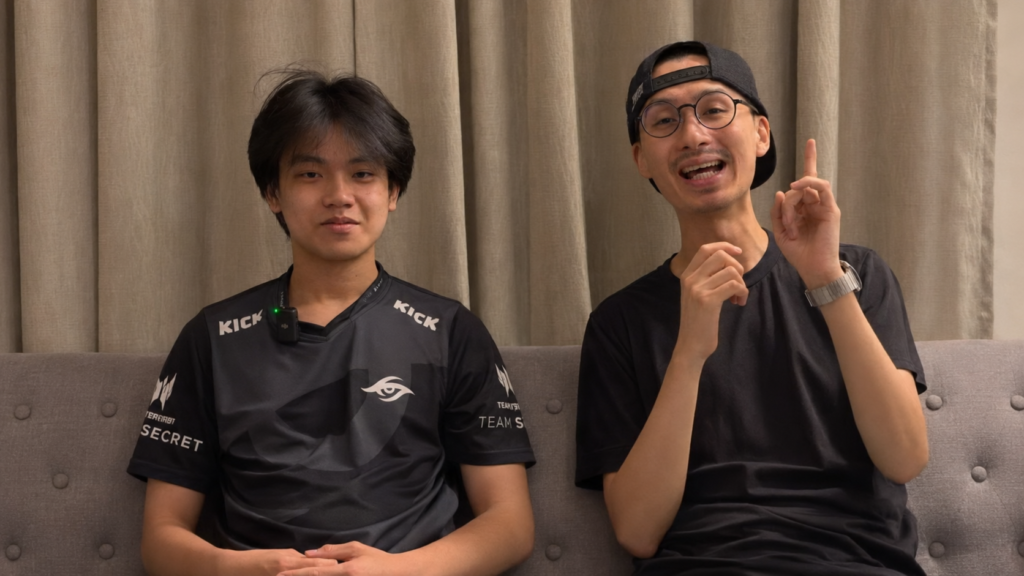
When I interviewed Chong Khean Loong, better known as Shisan, during his Team Secret days, something about the encounter stayed with me.
He had seen a fellow player from FUT Esports give an interview that, to my eye, went more smoothly. I got the impression that it challenged him. His manager told me at the time that Shisan was someone who did not like to lose.
That was my reading of a brief moment, supported by a manager’s description of his player. The situation felt familiar: someone around us does something well, and suddenly we become more aware of our own performance.
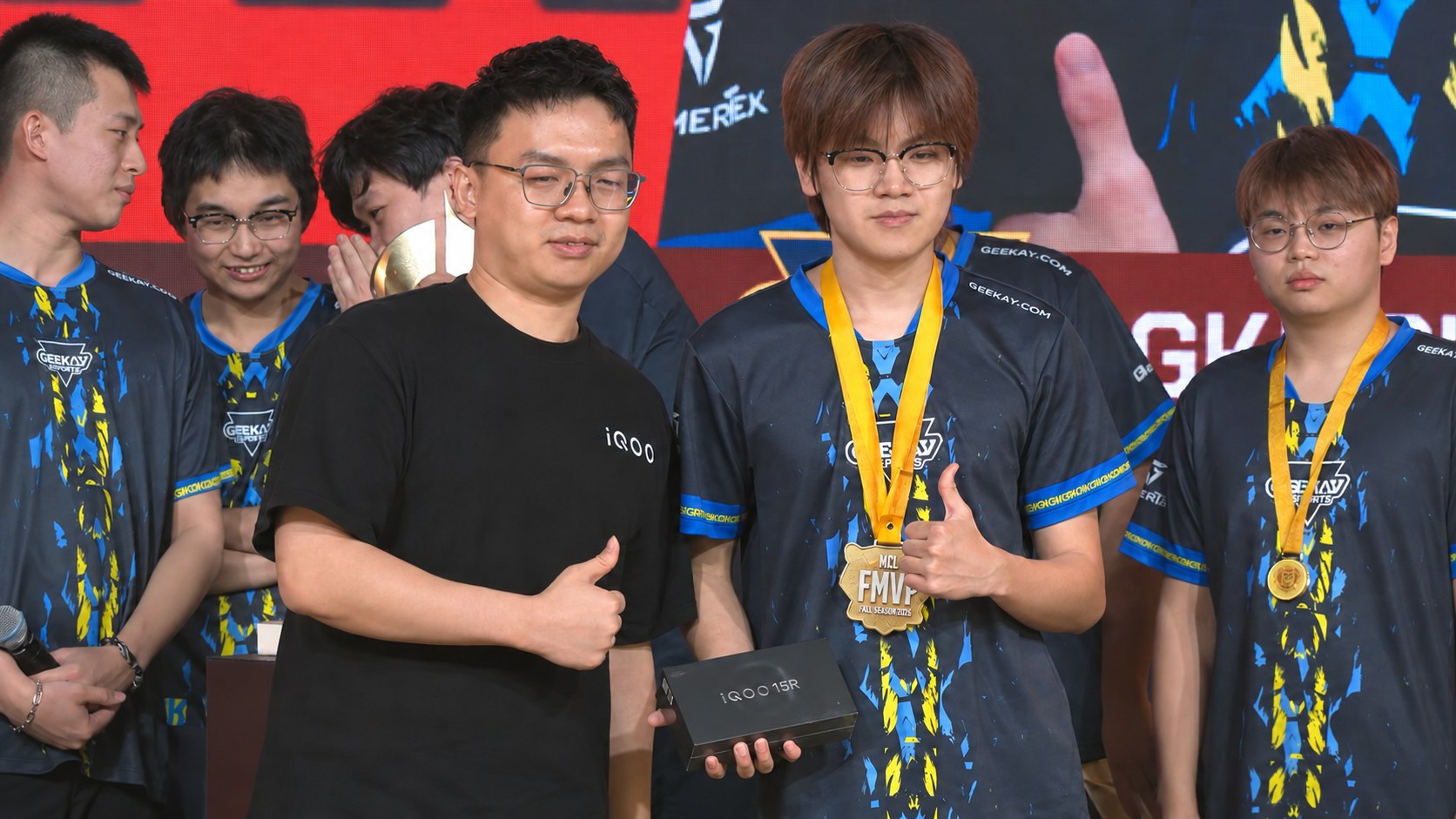
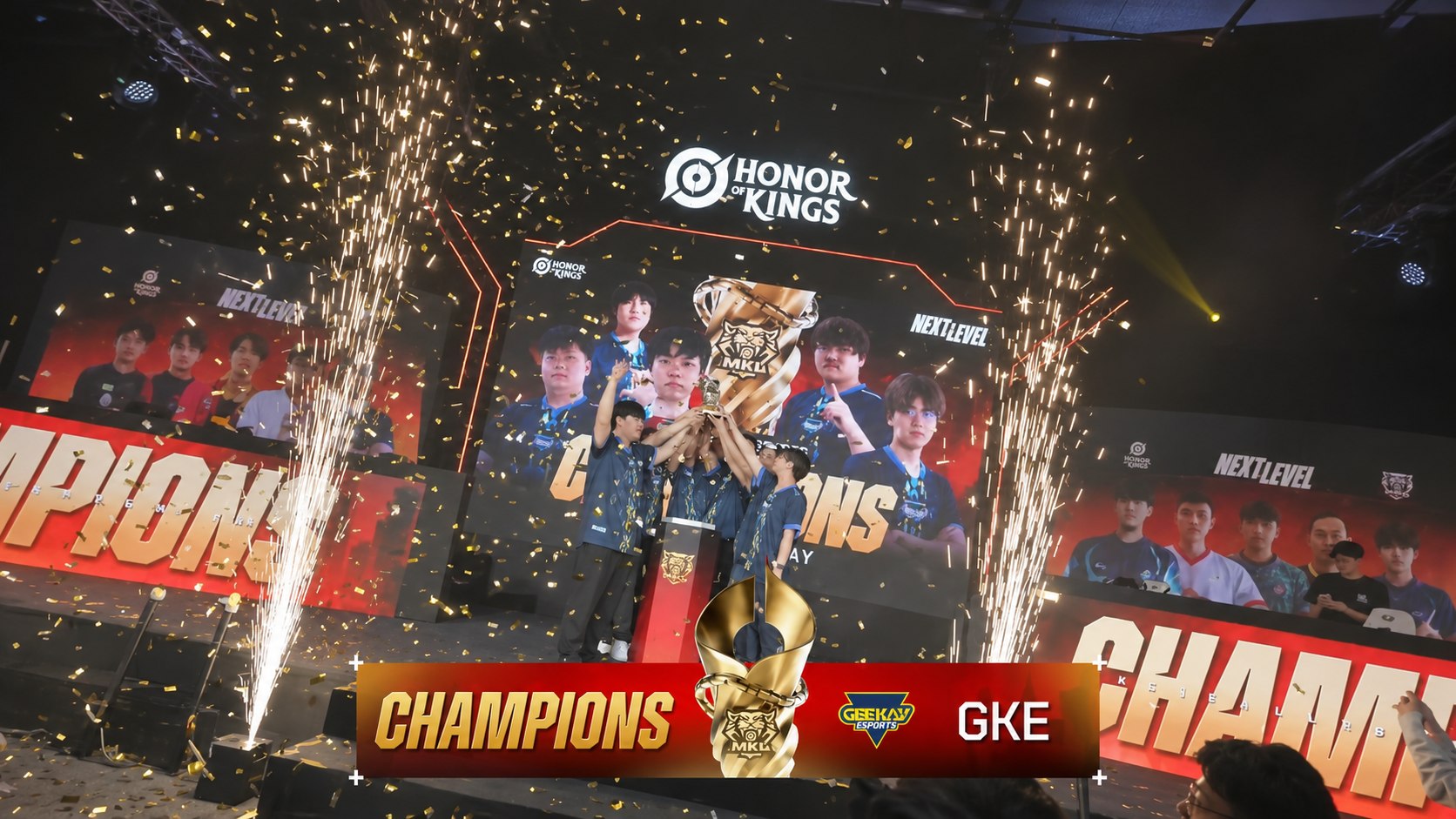
On 8 November 2026, Shisan received a different kind of recognition. His team, Geekay Esports, defeated Aurora Gaming 4–3 to win MKL Fall 2026, Malaysia’s Honor of Kings league. Shisan was named Finals MVP. His manager’s comment feels relevant again. MKL Fall 2026 results and awards.
For me, the interesting question is what we do with that desire to compete. How can the discomfort of seeing someone perform better become something useful?
From Team Secret’s youngest player to Geekay’s Finals MVP
Shisan is a Malaysian Honor of Kings mid laner. In June 2024, publisher Level Infinite introduced him under his earlier ID, Loong, as Team Secret’s youngest player. He later played for Alpha Gaming before joining Geekay in January 2026. His career has already required him to work with different teammates and within different team environments. Level Infinite’s 2024 introduction; Shisan’s team history.
The Fall championship gives us a clear achievement to recognise. It also creates an opportunity to look at learning beyond the match itself: how a young competitor handles comparison, feedback and the need to improve.
When a peer raises the standard
Social comparison provides one way to understand that interview moment. Leon Festinger’s work described how people use others to evaluate their own abilities and opinions. In everyday life, that might involve a classmate’s presentation, a colleague’s work or another creator’s interview. Festinger’s social comparison theory.
Later research by Penelope Lockwood and Ziva Kunda explored how outstanding role models affect us. Their findings suggest that someone else’s success can be inspiring when it feels relevant and attainable. When comparable success seems out of reach, the same comparison can become discouraging. Lockwood and Kunda’s research on role models.
An interview offers a practical example. We can notice how another person organises an answer, explains a difficult idea or handles a follow-up question. Their performance gives us something specific to examine.
This is how I would interpret the educational possibility in my encounter with Shisan. A peer’s performance can reveal a skill worth developing. We would need Shisan’s own account to understand exactly what he noticed and how he responded.
For the rest of us, the next step can be a specific question: what does this person do well that I could practise?
Give competitiveness a learning goal
The phrase “does not like to lose” can carry several meanings. It might describe someone who wants to outperform others, someone determined to improve, or someone who finds failure difficult to face. A short encounter cannot tell us which motivation is operating, or whether several are present together.
Achievement goal theory helps us think more carefully about these possibilities. Andrew Elliot and Holly McGregor’s framework distinguishes the standards people use to judge competence, such as personal improvement or performance relative to others. It also distinguishes pursuing success from avoiding failure. Elliot and McGregor’s achievement goal framework.
For a competitive player, winning is an understandable ambition. The educational opportunity is to connect that ambition with skills that can actually be developed.
In an interview, that could mean practising a clearer opening answer or explaining a tactical decision without relying on jargon. In a classroom, it could mean improving the structure of a presentation. At work, it could mean responding more clearly when a client asks an unexpected question.
“I want to do better” becomes more useful when we can explain what better would involve. As someone involved in esports and education, I think this is where coaches, teachers and managers can help turn a strong reaction into a manageable next step.
Geekay’s MKL Fall 2026 comeback
Geekay completed the regular season with nine series wins and no defeats, dropping only one game. The playoffs then demanded a response to a significant setback. Here is the team’s route through the bracket:
- Upper-bracket semifinal: Geekay beat SLxDTE Gaming 4–0.
- Upper-bracket final: Aurora Gaming beat Geekay 4–1.
- Lower-bracket final: Geekay beat ROC Esports 4–2.
- Grand final: Geekay returned to beat Aurora 4–3 on 8 November.
Shisan received Finals MVP, while teammate MusangKing received the separate Regular Season MVP award. Tournament standings, playoff bracket and awards.
The turnaround creates a valuable subject for further discussion with Shisan and his team: what changed between those two meetings with Aurora?
The results establish that Geekay recovered. Understanding the adjustments would require the players’ and coaches’ accounts. A victory can prompt an educational discussion, but it cannot reveal every conversation, practice decision or emotional response behind it.
Turn the reaction into a learning process
Barry Zimmerman’s model of self-regulated learning offers a practical framework. It describes a cycle of preparation, performance and self-reflection: learners set goals and choose strategies, monitor what happens while performing, then evaluate the outcome and adjust their next attempt. Zimmerman’s overview of self-regulated learning.
Applied to an interview, a simple version could look like this:
- Choose one skill: for example, giving a concise answer.
- Prepare and practise: record an answer to a likely question.
- Review the attempt: identify where the explanation becomes unclear.
- Use feedback: make one specific change, then try again.
This is a suggested application of the theory, rather than a claim about Shisan’s personal routine. A student can use the same process for a presentation, a creator for an interview, or a colleague for a meeting.
The useful step is moving from a general feeling about our performance to an action we can test.
The environment around a competitive person matters
There is also a responsibility on the people supporting young talent. Carole Ames’s work on learning environments emphasised structures that encourage mastery, including attention to effort, progress and the way tasks and evaluation are organised. Ames on learning environments and motivation.
For me, the practical implication is straightforward: feedback should help someone understand what to work on. A coach can examine a decision with a player. A teacher can explain how a student’s argument could become clearer. A manager can make time for rehearsal and review.
People also need room to ask questions, make mistakes and develop at different speeds. Constant comparison can become exhausting when every activity feels like another ranking. I would want a young person to encounter strong examples while still feeling able to say, “I need help with this.”
I explored another part of this responsibility in my article on Satar, AK Gold and the community support behind perseverance. Access to experienced people, useful feedback and opportunities to participate are worth paying attention to alongside individual ambition.
What the wider community can take from Shisan’s story
Shisan’s journey now includes an MKL championship and recognition as its Finals MVP. My memory of interviewing him adds a smaller, personal moment to that public record.
One interview encounter cannot explain a professional career. What it offers is a familiar starting point for reflection. We all encounter people who are ahead of us in some area: a peer speaks more confidently, a colleague produces stronger work, or another player makes a decision we would have missed.
The next step can be simple: identify the skill, ask a useful question and make time to practise.
That is the lesson I take from remembering Shisan and his manager’s comment. A competitive instinct becomes valuable when it gives us a reason to pay attention, seek feedback and keep developing. The next time someone raises the standard around us, we can begin by looking closely at what they do well.
Andrew Cheong · Sir Cloud
Learning through esports.
I’m an esports educator, commentator and creator based in Malaysia.